Mundotron

Pascal and Ada had traded their brilliance for stock options, watching their code be butchered by middle managers and “bean counters” until their revolutionary software was nothing more than a vehicle for targeted ads. When the exit finally came, the bank accounts were astronomical, but their souls felt like discarded hardware.
|
|
|
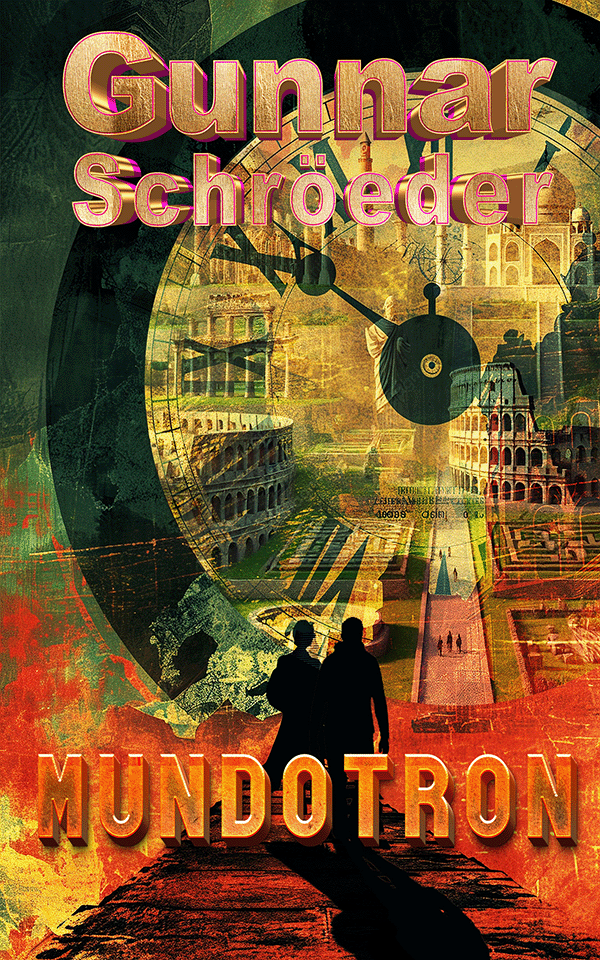

They spent months wandering. They hiked the Andes, sailed the Mediterranean, and trekked through the neon humidity of Tokyo. But travel, they discovered, was a tedious theater of fatigue. It was long lines, lost luggage, and the crushing realization that the world was becoming a curated museum for the wealthy.
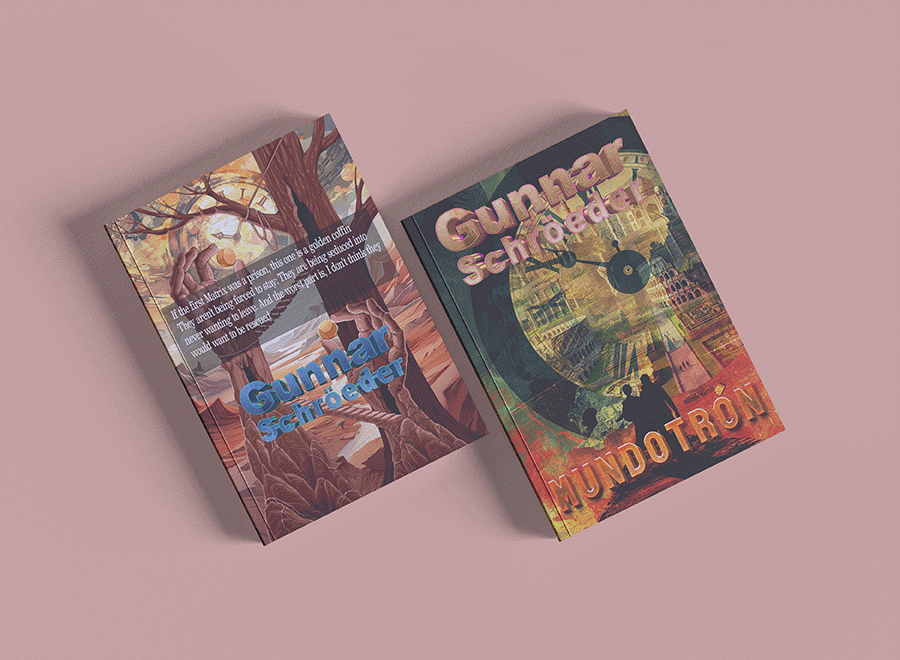
That was the spark. They created a new way of traveling that was to revolutionize the travel industry. They didn’t just build a VR rig; they built The Odyssey. It wasn’t about goggles. It was an array of haptic fibers and a neural interface that bypassed the optic nerve, tapping directly into the brain’s sensory cortex. It allowed the user to smell the salt air of the Amalfi Coast, feel the bite of the Himalayan wind, and hear the heartbeat of a jungle in the Amazon.

But something went wrong. Now, the brain is rewiring itself in ways it is not supposed to. Why is was it happening? Were they ushering evolution at a faster pace?